Seller guide No. 10
Seller guide No. 10
Keep the sale confidential until a deal is close: use a blind listing, have every buyer sign a confidentiality agreement before they learn your name, and hold visits after hours. Most owners tell staff after a signed purchase agreement or near closing, often with the buyer in the room.
Last updated: October 18, 2026
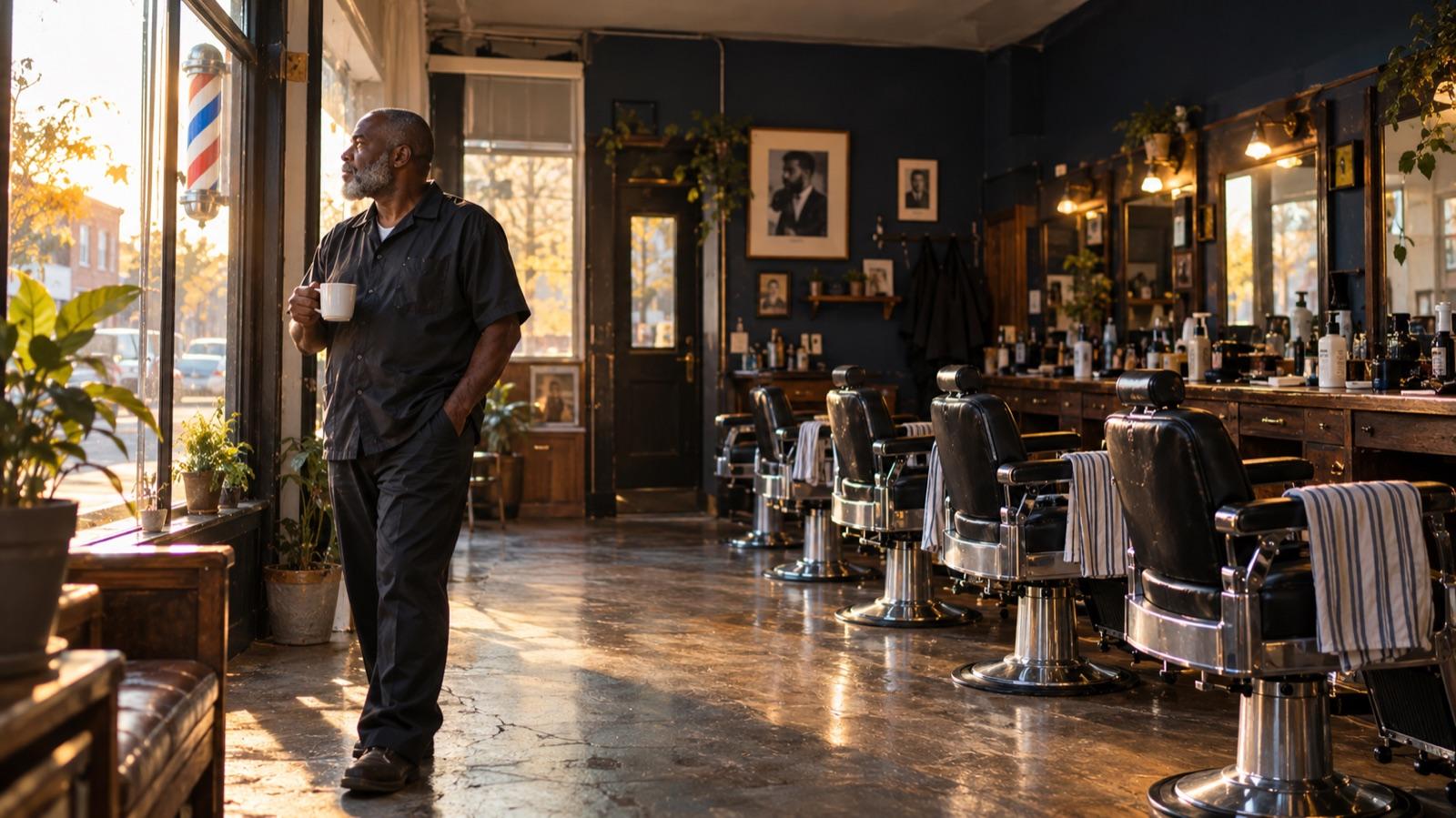
Marcus has cut hair on the same corner of Millbrook for nineteen years. Six chairs, five barbers, a line out the door on Saturdays. He is ready to sell.
His biggest worry is not the price. It is a Tuesday morning when Andre, his best barber, hears the news from a customer instead of from him.
Marcus, his shop and Millbrook are made up. What he does next is how owners actually keep a sale quiet, step by step.
Chapter 1
Marcus has seen it happen down the street. A shop went up for sale, the word got around in a week, and two barbers left before a buyer ever walked in. Their regulars followed them.
Staff worry about their jobs. Clients wonder if service will change. Competitors start calling your best people. One salon owner put it plainly: when word got out, "the two best stylists immediately left."
Your team is part of what a buyer is paying for. Losing them early can cut the price before anyone signs.
Chapter 2

Marcus lists the shop blind. The listing says "established barbershop, central county, six chairs" and shows the yearly numbers. No name. No street. No photo of the striped pole out front.
When a buyer asks about it, they answer screening questions and verify who they are before Marcus hears a thing. Then they sign a confidentiality agreement. Only then do they learn it is Northside.
Type of business, region and numbers. Nothing a regular would recognize.
Buyers sign a confidentiality agreement before they learn your name.
Verify who they are and how they will pay. Curious competitors drop out here.
Usually your partner, your accountant and your attorney.
Next: they sign the confidentiality agreement online. We remind them automatically.
What Marcus sees on his dashboard: each buyer moving through verification before any details are shared.
Chapter 3
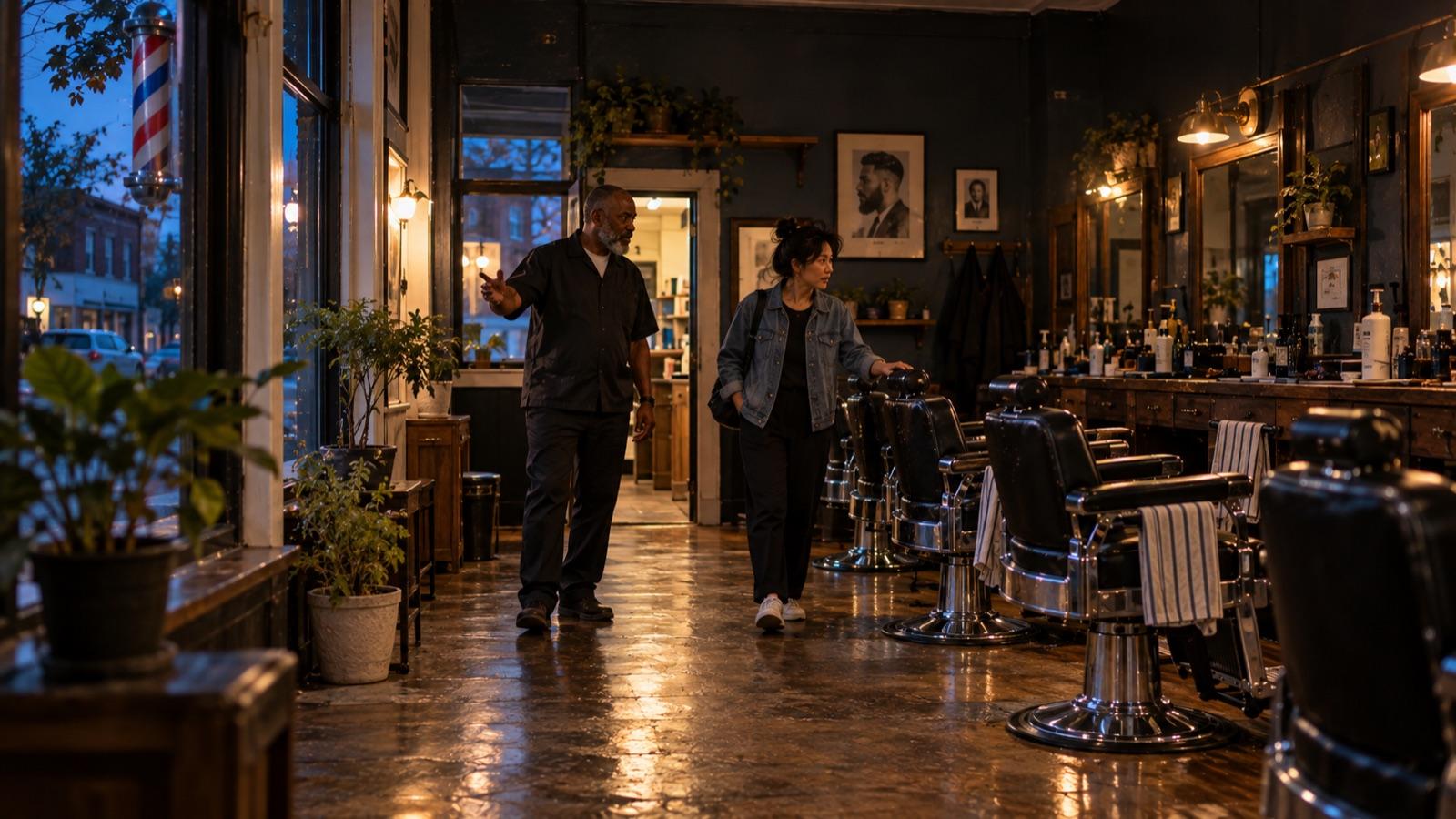
The first serious buyer, a barber who wants her own shop, comes by at 7:30 on a Thursday, after the last cut. Marcus walks her through the chairs, the back room and the booking book.
He keeps the paperwork at home, uses a private email for the sale, and takes her calls in the car, not on the floor.
Before opening or after close. If a buyer must come by during the day, keep it short and low-key.
Private email, calls off the floor, documents out of sight.
Chapter 4
One morning Andre asks, half joking, if Marcus is going anywhere. Marcus does not lie. He says he is always thinking about the future of the shop, and he will tell the team the moment there is news.
Most owners wait until there is a signed purchase agreement, or until closing is close. Before then a deal can still fall apart, and telling staff too early gives them the worry without the certainty.
Chapter 5
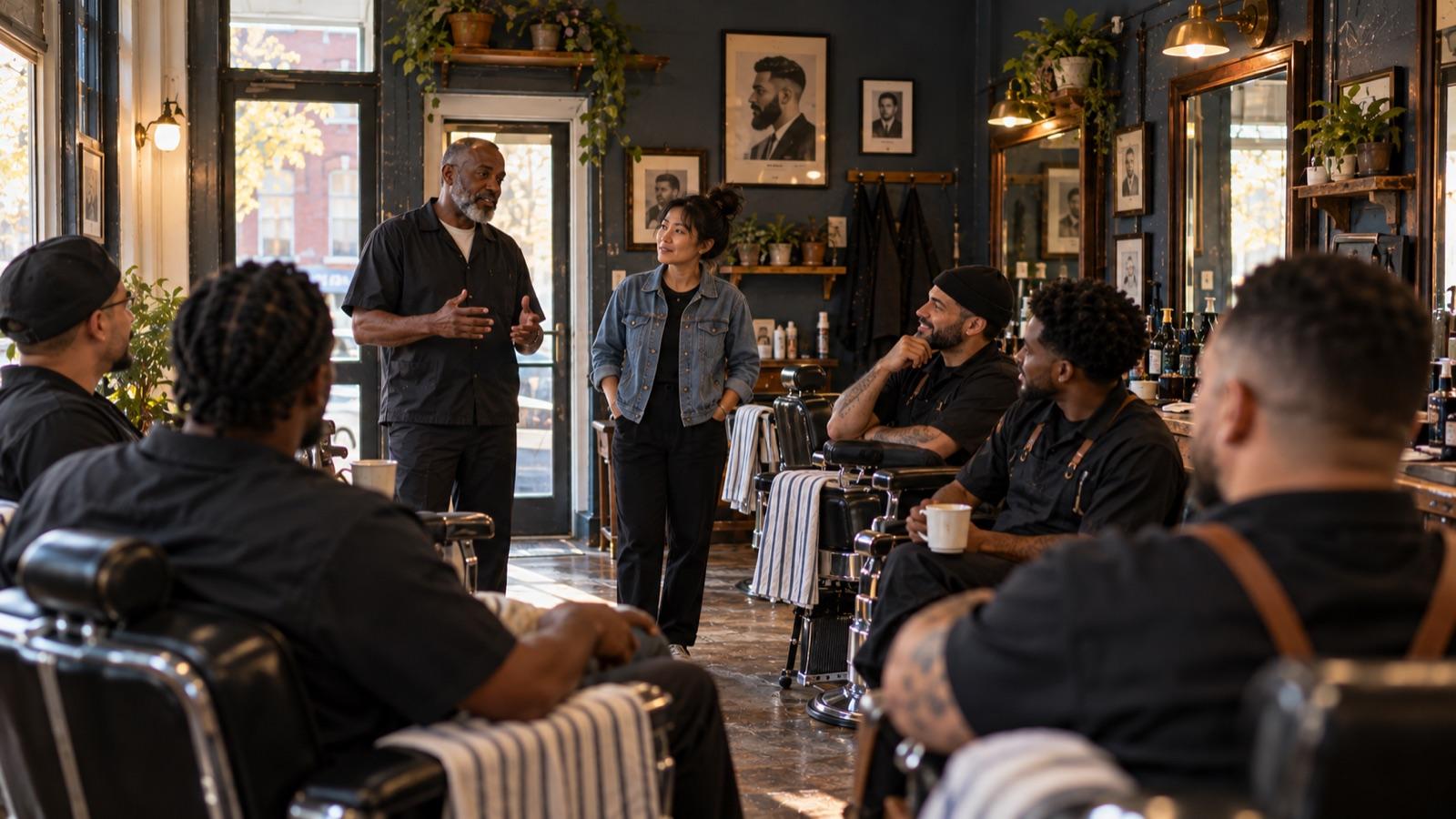
The purchase agreement is signed. Marcus brings everyone in early on a Monday, before the first client. The buyer is there too. He says it once, to everyone, in person:
"I wanted you to hear this from me first. I have agreed to sell the shop to Kim. You are the reason it is worth buying. Your chairs, your pay and your schedules stay the same. Kim is here to meet you and answer anything. I will be around to help until the end of next month."
Tell everyone at once, in person, before clients hear. Keep it short. Only promise what is true: if pay or schedules might change, say what you know and when they will hear more.
Chapter 6

Kim asked early which people the shop depends on. Marcus said Andre, without a pause. So before the Monday meeting, Kim and Marcus met Andre privately and offered a stay bonus, paid if he stays a year after closing.
Andre is still in the second chair.
Bonuses, stay agreements and non-solicitation terms are legal documents. Talk to your attorney before you offer anything in writing.
Paid if the person stays a set time after closing. The seller, the buyer or both can fund it.
A short written commitment between the employee and the new owner.
People stay when they know what their job will be after the sale.
How we help
Every YourBizWorth listing is blind. Every buyer is verified and signs a confidentiality agreement before learning the name of your business, and you watch each one on your dashboard. You decide who gets your name, and when.
YourBizWorth is not a broker, appraiser, or law firm. This guide is general information, not legal, tax, or lending advice.
Do not lie, and do not confirm a deal that is not done. Say you are always thinking about the future of the business, and that you will tell the team as soon as there is real news.
Sometimes. If a buyer needs to meet them, or they will run the handover, tell them shortly before the rest of the team. Ask them to keep it private, and consider a stay bonus with your attorney's help.
It helps a lot, because buyers know there are consequences. It works best with a blind listing and screened buyers, so fewer people learn your name in the first place.
Usually after closing, or right before, together with the new owner. Agree the timing and the message with the buyer, because the clients are part of what they are buying.