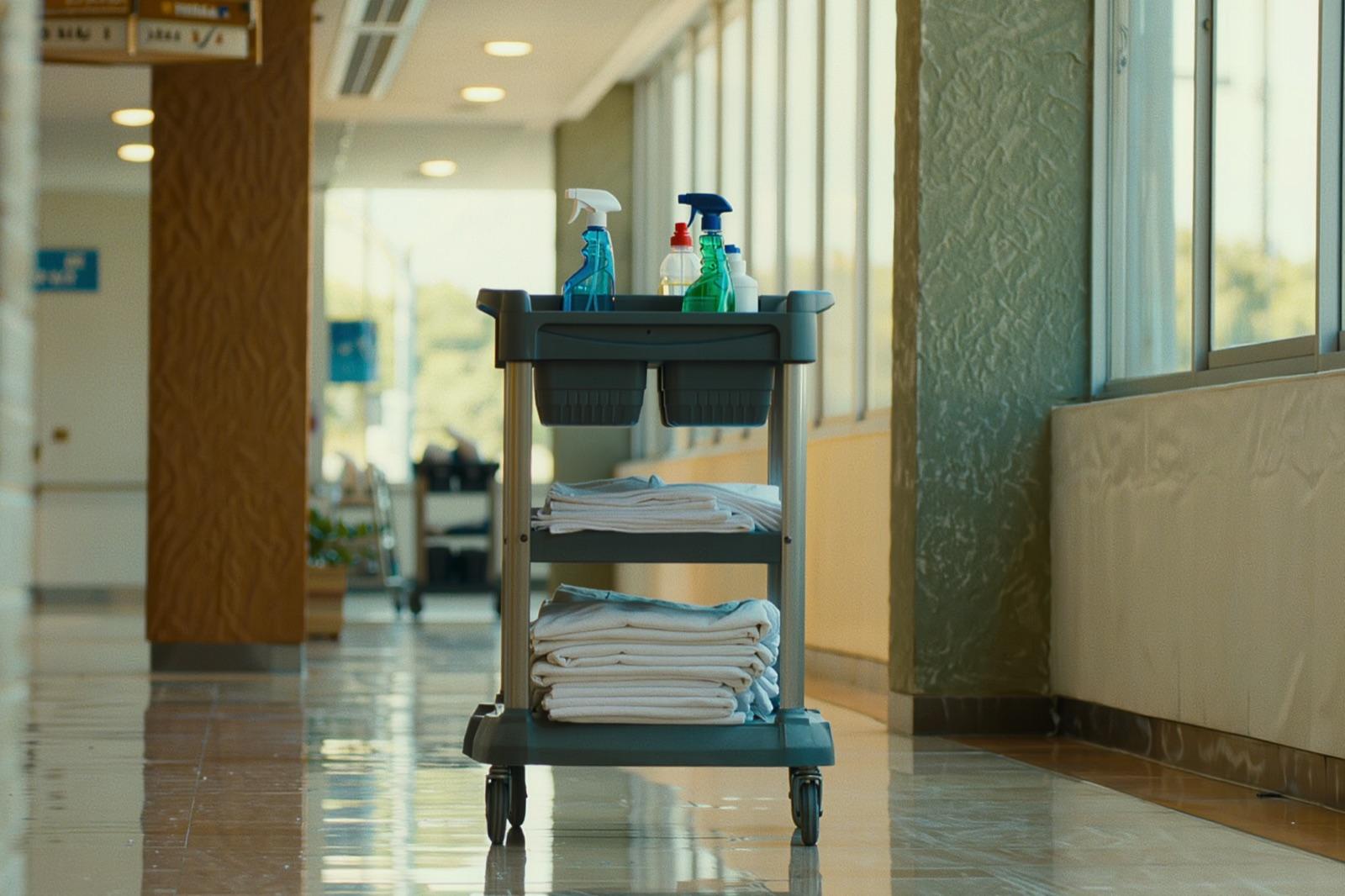
Janitorial and commercial cleaning sell for more than residential
The word on your truck matters less than who signs your checks. A janitorial company cleaning offices, medical suites, or schools on a written contract sells at the top of the 1.8 to 2.8 range. A residential maid service doing houses one at a time usually lands at the bottom, even at the same revenue. The reason is simple: a commercial account renews on a schedule, and a homeowner cancels when money gets tight.
If you run both, separate them before you sell. Show the commercial contracts on their own page with the client name, the start date, the monthly value, and the renewal terms. Buyers and their lenders price that revenue differently, and blending it into one number costs you money.
Why buyers like cleaning businesses
Buyers pay more for money that shows up on a schedule. A cleaning company with weekly and monthly accounts has exactly that. The buyer can see next month's income before they even own the business. That certainty is what pushes cleaning multiples above most other service trades.
The earnings math works the same here as everywhere. True owner earnings means salary, plus profit, plus the personal costs the business covers. Count every add-back before you multiply. Most owners skip this step, and most owners guess low because of it.
The three things that move a cleaning company's price
- Contracts, not one-off jobs. A signed schedule of recurring commercial cleans is worth more than the same dollars in one-time deep cleans. Put your agreements in writing before you sell, even simple ones.
- Crews that run without you. If you are on a truck every day, the buyer is buying themselves a job, and they will pay less for it. A trained lead, written checklists, and a supply system all raise your price.
- Customers spread out. If one client makes up a big share of your income, buyers worry about losing them and offer less. Many small accounts beat one giant one.
The papers that matter most
Three years of business tax returns come first. SBA lenders require three years of business tax returns to finance a buyer. Then a client list with start dates and cleaning frequency, your payroll records, and proof of insurance and bonding. Buyers of cleaning companies almost always ask about insurance early, so have it ready.
If you have route sheets or job checklists, include them. They prove the business runs on a system, not on your memory. Systems are what a buyer is really paying for.