What is my landscaping business worth?

A landscaping business typically sells for 1.8 to 2.8 times the owner's true annual earnings. On revenue alone, most landscaping and lawn care companies trade between 0.45 and 0.85 times yearly sales. Routes, contracts, and equipment decide where you land inside that range.

See your number now

Most landscaping business sales land at 1.8 to 2.8 times what the owner really makes in a year. See where you land.

Your likely range

Your tax returns almost always prove a higher number. Get it proven.

Typical asking-price ranges by business type, as a multiple of yearly revenue or of the owner's true yearly earnings (SDE). Full table with sourcing notes: business valuation multiples.
Business typeRevenue multipleOwner-earnings (SDE) multiple
Hair salon / Barbershop0.35 to 0.65 times yearly revenue1.5 to 2.5 times owner earnings
Cleaning service0.5 to 0.9 times yearly revenue1.8 to 2.8 times owner earnings
Landscaping / Lawn care0.45 to 0.85 times yearly revenue1.8 to 2.8 times owner earnings
Restaurant / Cafe0.25 to 0.45 times yearly revenue1.3 to 2.2 times owner earnings
Auto repair / Detailing0.4 to 0.75 times yearly revenue1.7 to 2.6 times owner earnings
Retail shop0.3 to 0.6 times yearly revenue1.5 to 2.3 times owner earnings
Other service business0.35 to 0.7 times yearly revenue1.5 to 2.5 times owner earnings

What buyers actually pay for

A weekly mowing route under agreement is recurring income. A one-time patio install is not. Both bring in money, but buyers pay more for the mowing route, because it repeats next month without any new selling. If your mix leans toward maintenance routes, you sit near the top of the range.

Your true earnings drive the price, the same as any trade. Salary, plus profit, plus the personal costs the business pays. The truck you also drive on weekends and the fuel card count as add-backs. List every one before you multiply, because each add-back raises the number a buyer starts from.

The three things that move a landscaping company's price

  • Recurring routes. Tight routes with signed seasonal agreements are the heart of the sale. Dense routes in one area beat scattered lawns across three counties.
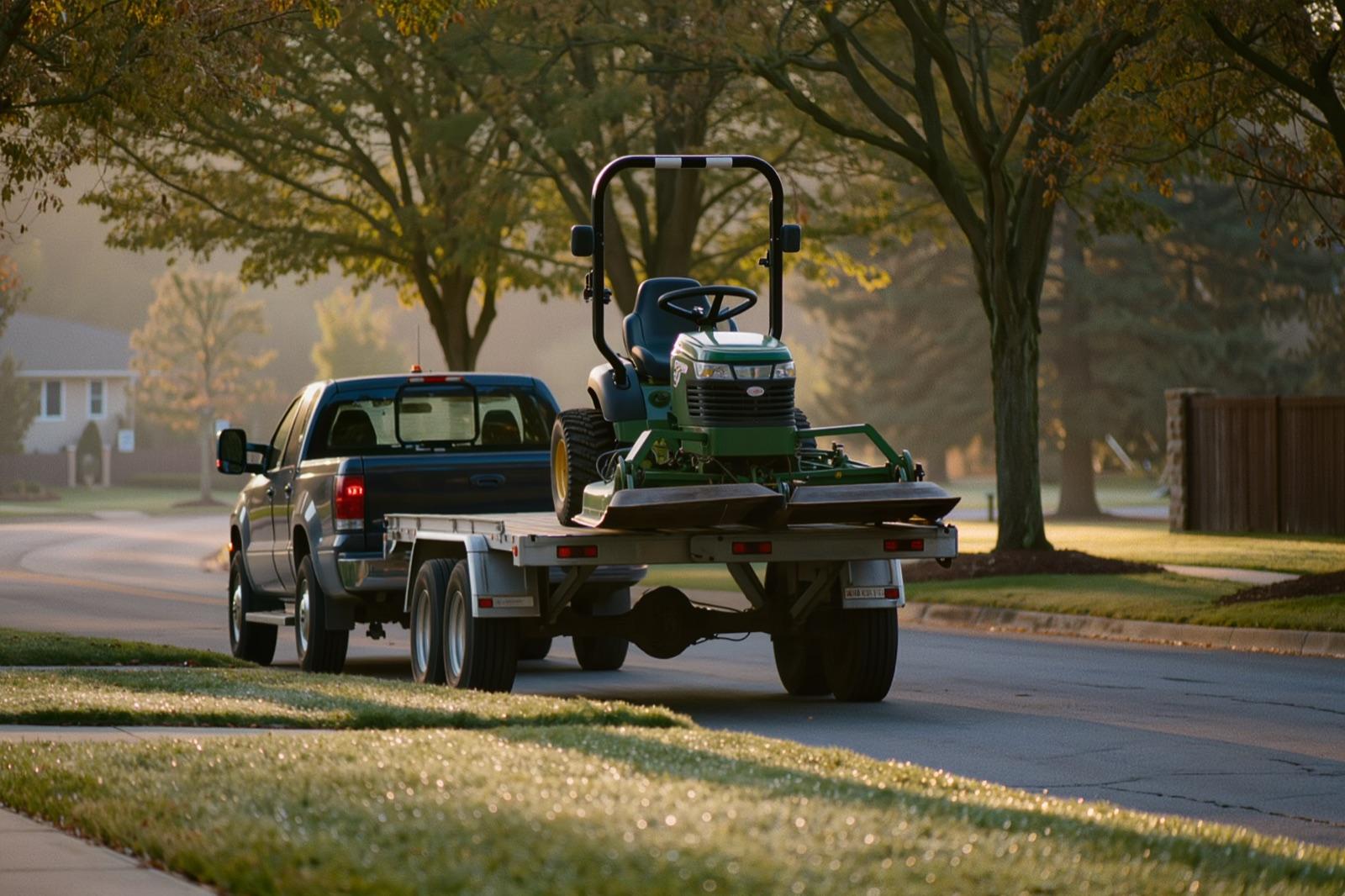
  • Equipment in the deal. Trucks, trailers, and commercial mowers you own outright are hard value on top of the earnings math. Keep a one-page list with year, model, and condition. Buyers trust what they can verify.
  • Work in every season. Snow contracts, fall cleanups, and lighting work steady the income across the year. Year-round money reads as a stronger business than five busy months and a long winter.

The papers that matter most

Start with three years of business tax returns. SBA lenders require three years of business tax returns to finance a buyer. Add your equipment list, your route or contract list, and payroll records for any crew. If customers pay you by the season, include those agreements too.

Do not clean up your books by hiding cash work. Buyers pay for income they can see on a tax return. Money that never hit the return cannot be part of your price, and that is the most expensive bookkeeping habit in this trade.

$35,000 guessed. $95,000 proven.

A salon owner in central Pennsylvania guessed her business was worth $35,000. Her own tax returns supported $95,000. Different trade, same lesson: the proven number beats the guess. See what goes in the package.

Straight answers

How much is my small business actually worth?

Most main-street businesses sell for 1.5 to 2.5 times the owner's true yearly earnings, or their replacement value, whichever is higher and can be proven. True earnings means salary plus profit plus the personal things the business pays for. Most owners forget those add-backs count, so most owners guess low.

Why exactly three years of tax returns?

SBA lenders require three years of business tax returns to finance a buyer. Three years also shows a trend, not a snapshot. We saw a salon whose latest year looked like decline. Three years proved it was one expensive staffing year, and that was worth tens of thousands on her price. Fewer years looks like hiding. More rarely changes the number.

What documents do I need to sell my business?

Tax returns, a profit and loss statement, your lease, payroll records, and an equipment list. Start with the returns. We tell you what is missing and why each piece adds dollars to your price.

My buyer doesn't have cash. Is the deal dead?

No. Most small business sales use seller financing or an SBA loan. Your package includes the payment math, so you can show your buyer exactly what they would pay each month.

Get your number proven.

Start my package